Wall
Microcement is only 3 mm thick and can be applied directly over surfaces such as marble and tiles. Often you do not even need to adjust door and window frames.

The benefits on walls
Simple renovation
The microcement is applied directly on the wall, without removing what is already there and without construction waste. Textured plaster does not need to be sanded down first. The build-up depends on the substrate and which line is used.
Easy to clean
The surface is sealed with varnish. Spills do not damage it, and drawings on the wall are wiped off with a damp cloth.
Calm in the room
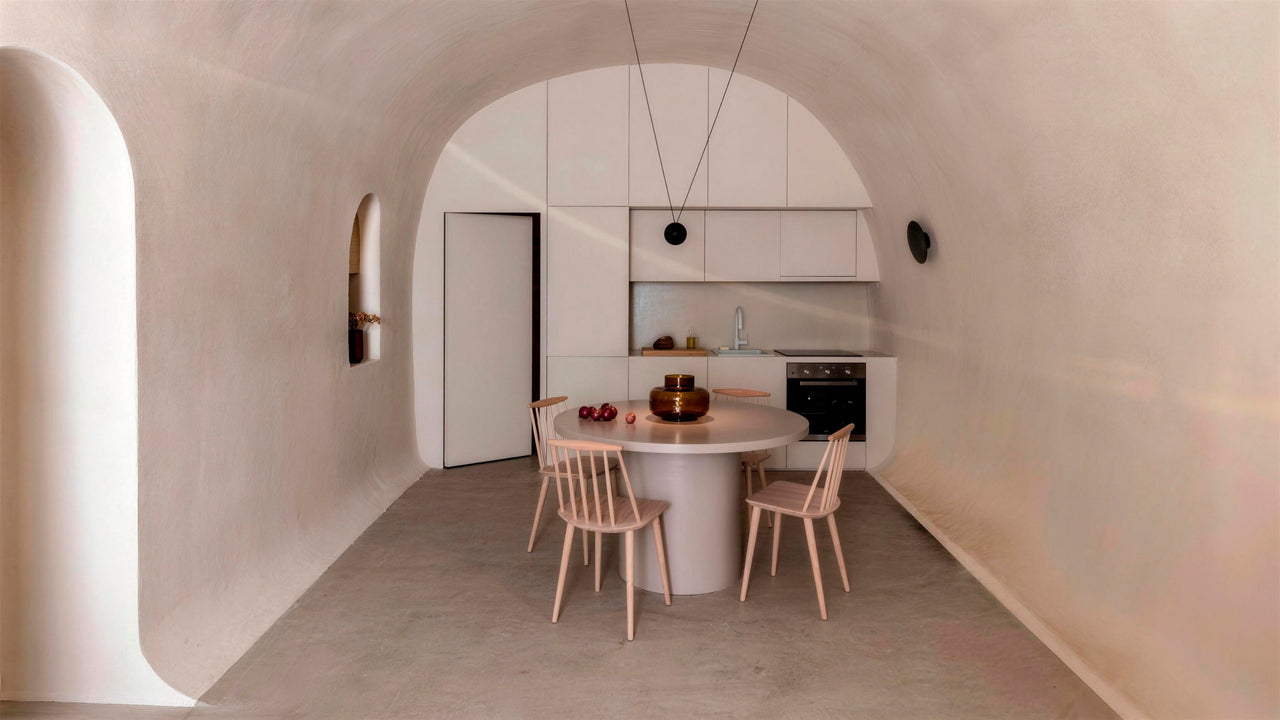
Without a joint pattern to break up the view, the wall reads as one, and the room feels larger and calmer.
Stands up to everyday life
Microcement is hard-wearing and durable, and resists knocks, scratches and marks from children and pets.
Many looks
In addition to the standard surface, there are more distinctive looks, such as clay, tadelakt and metal. See the decorative finishes.
See the wall

Stairs
Treads, stringer and wall in the same surface.

Hallway
Wall and floor run together, without a seam.

In raking light
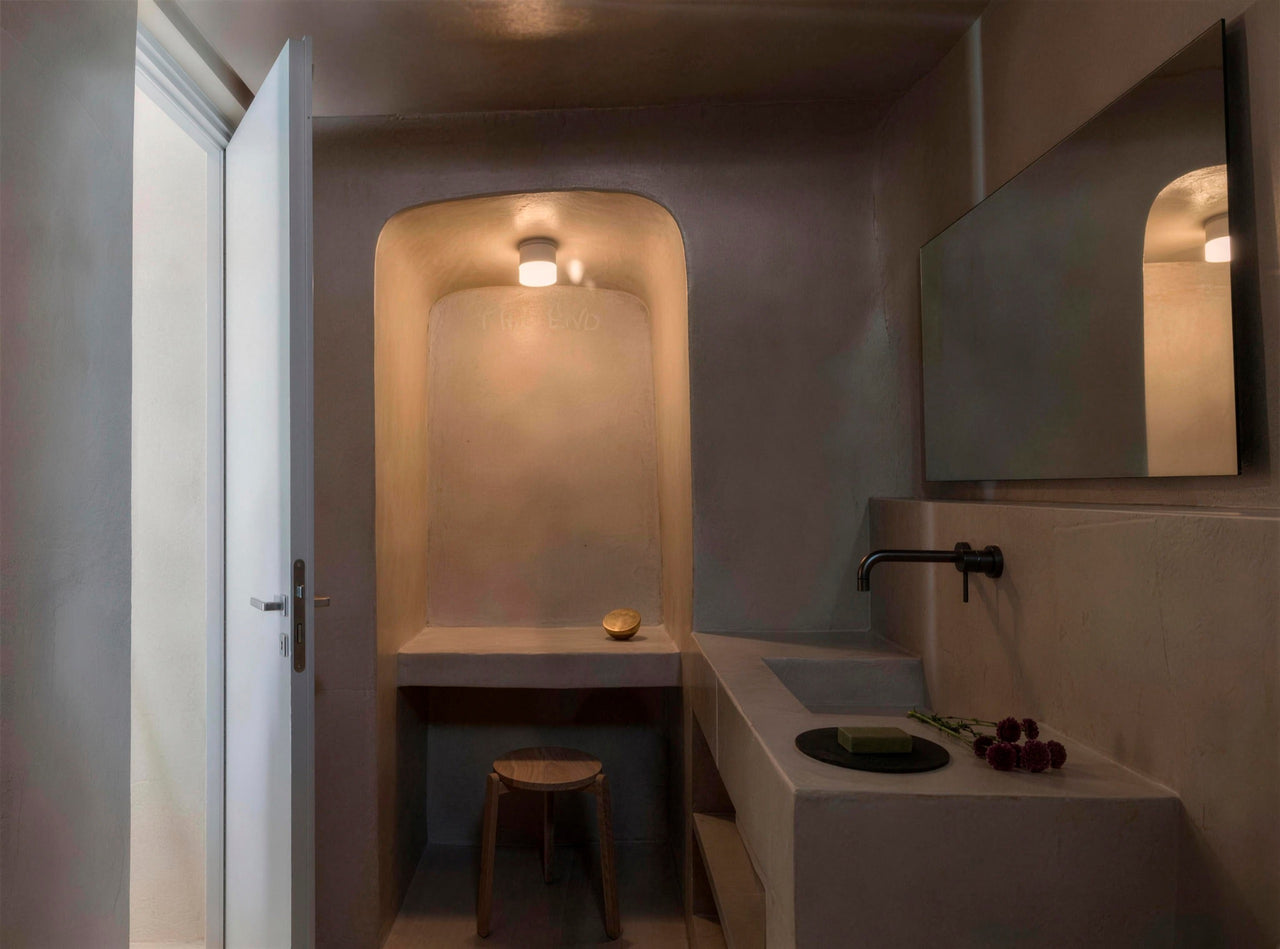
The trowel strokes show when light rakes across the wall.


Good to know
- On plasterboard and other highly absorbent boards, Cemher prescribes Primer 100 together with glass-fibre mesh, before a base coat of Microdur.
- On tiles, the joints are filled and sanded before Primer 100.